
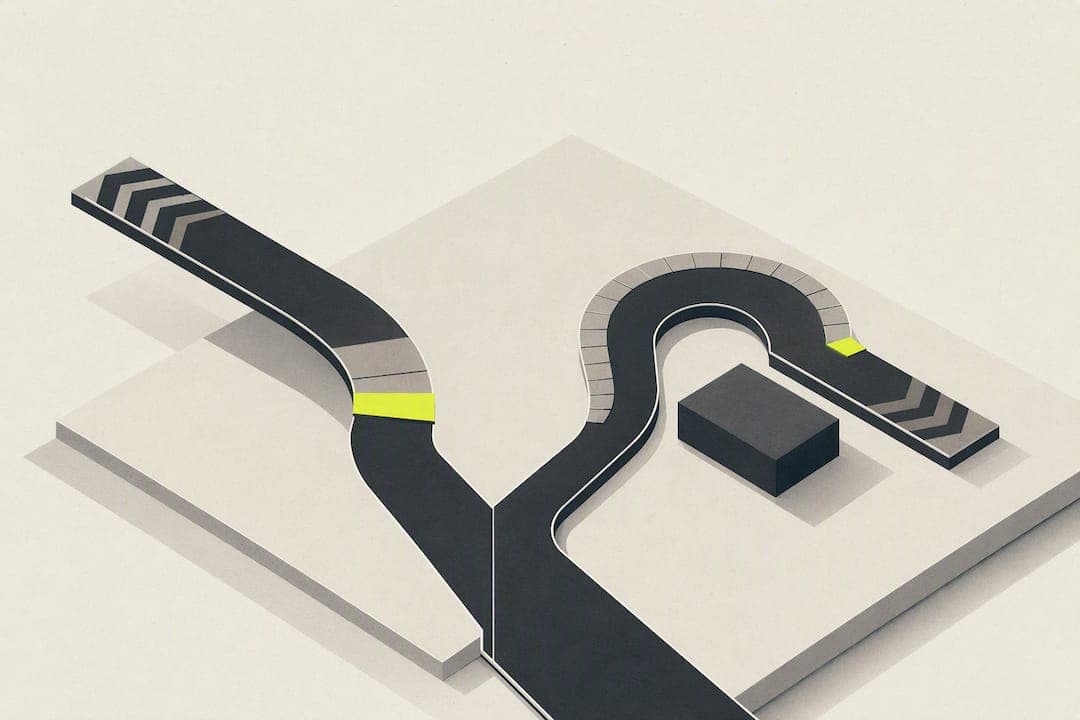
Understeer is when the front tires lose grip first and the car pushes wide of your intended line. Oversteer is when the rear tires lose grip first and the back of the car swings out, rotating you more than you asked for with the steering wheel. For most everyday drivers, understeer is the easier, safer event to manage. Oversteer develops faster and punishes hesitation.
TL;DR:
- Understeer occurs when front tires lose grip first, typically caused by excessive speed, sharp turns, or worn tires, especially on wet or icy surfaces.
- Oversteer happens when rear tires lose grip first, often triggered by abrupt throttle inputs or sudden weight shifts, leading to faster, less controllable spins.
- Proper tire maintenance and balanced weight distribution significantly reduce the chances of both understeer and oversteer, especially in adverse conditions.
- Corrective actions are opposite for each: easing off the accelerator and gentle steering for understeer, versus steady countersteering and smooth throttle easing for oversteer.
- Electronic stability systems support but do not replace proper tire condition and driver inputs in managing grip and preventing loss of control.
Table of Contents
- Understeer vs Oversteer: What Actually Happens Up Front
- Oversteer Explained: When the Rear Lets Go First
- What Raises the Odds of Either One
- Correcting Understeer vs Correcting Oversteer
- Preventing Understeer and Oversteer Before They Start
- How ESC, ABS, and Traction Control Actually Help
- What Understeer and Oversteer Look Like on a Data Trace
- Three Habits That Make You Safer in Every Corner
- Practice Reading a Slide Before It Happens on the Road
- Where to Read More on the Physics and the Fixes
- Sources
Understeer vs Oversteer: What Actually Happens Up Front
A tire only has so much grip to give, and it has to split that grip between braking, steering, and accelerating at any given moment. Ask the front tires to do too much at once, say, turn hard while you're still on the brakes, and they run out of traction before the rear tires do. The car keeps sliding toward the outside of the corner no matter how much more you turn the wheel. Continental's driver guide frames it simply: the front tires lose grip before the rear, so the car turns less than the steering input calls for.
Common triggers include:
- Carrying too much speed into a corner
- Turning the wheel more sharply than the tires can follow
- Worn or underinflated front tires
- Wet, icy, or gravel surfaces that cut available grip
- Front-heavy weight distribution, common in front-wheel-drive cars
Front-wheel-drive vehicles lean toward understeer by nature, and most manufacturers tune their cars this way on purpose. A car that pushes wide gives you a clear, gradual warning. A car that snaps sideways does not.
Oversteer Explained: When the Rear Lets Go First
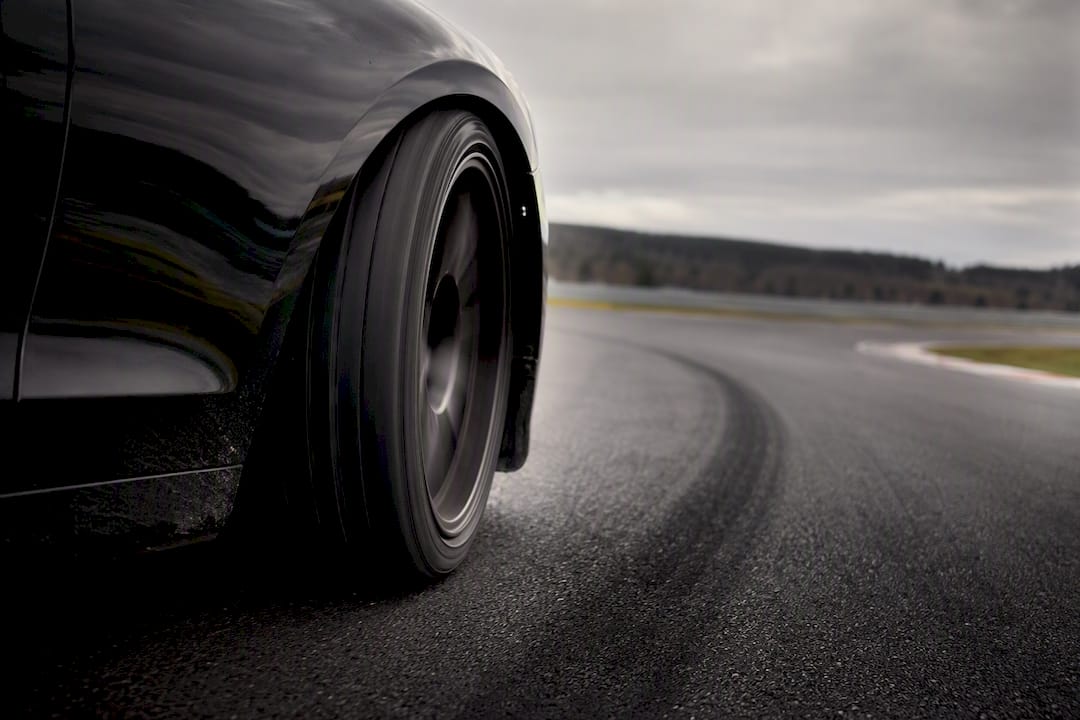
Oversteer flips the script. The rear tires lose grip before the front, and the back of the car rotates faster than you intended, sometimes fast enough to spin if you don't react. It tends to show up when weight shifts off the rear axle suddenly, whether from lifting off the throttle mid-corner or from stomping on the gas in a rear-wheel-drive car before the chassis has settled.
Typical causes:
- Lifting off the throttle abruptly in the middle of a turn (lift-off oversteer)
- Hard acceleration in a rear-drive or high-power car
- Worn rear tires or a mismatch in grip between the front and rear axles
- Wet or icy pavement, where the rear can break loose with little warning
The BFGoodrich driving guide notes that oversteer gives drivers a shorter window to react than understeer does. Once the rear starts rotating, the margin for a clean correction shrinks fast, and a bad instinct in that window is what turns a slide into a spin.
What Raises the Odds of Either One
Weather and road surface don't create understeer or oversteer by themselves. They just shrink the total grip available, which means both behaviors can show up at speeds that would feel completely safe on dry pavement. Rain, ice, and gravel all lower the ceiling. So does a car that's carrying more weight than its tires are set up for.
Tire condition tips the balance further. Worn tread, mismatched grip levels between axles, or pressures that are off spec change which end of the car gives up first. Before driving in adverse conditions, run through this:
- Check tread depth on all four tires, not just the front pair
- Confirm tire pressures match the manufacturer's spec, front and rear
- Look for uneven wear patterns that signal an alignment issue
- Clear cargo or roof loads that shift weight away from where it belongs
- Test brakes and headlights before you need them in poor visibility
Skipping this checklist doesn't guarantee trouble, but it does stack the odds against you.
Correcting Understeer vs Correcting Oversteer
The fixes for each are almost opposite, which is exactly why mixing them up is so common and so costly.
To correct understeer:
- Ease off the accelerator smoothly, don't lift abruptly
- Reduce steering lock slightly instead of adding more
- Let the car's weight shift forward, which helps the front tires regain grip
- Avoid stabbing the brakes mid-corner, which can upset the balance further
To correct oversteer:
- Look and steer toward where you actually want the car to go
- Apply gentle countersteer into the slide, not a full opposite-lock yank
- Ease off the throttle smoothly rather than lifting all at once
- Resist the urge to brake hard, which can shift weight in a way that worsens the rotation
The instinct to add more steering lock or stab the brakes when a car starts sliding is exactly what BFGoodrich's guide warns against: sharp opposite inputs raise the risk of a second, worse slide right after the first one.
Pro Tip: Practice saying the correction out loud before you drive: "ease off, look where I want to go." Rehearsing the verbal cue helps override the panic instinct to grab more steering or brake harder, which is the single most common mistake in both understeer and oversteer recoveries.
Preventing Understeer and Oversteer Before They Start
Setup and maintenance choices matter more than most drivers assume. A few habits go a long way:
- Keep your newer, higher-grip tires on the rear axle, even when replacing just two at a time. This biases the car toward understeer, which is more forgiving than a rear that lets go unpredictably.
- Check pressures monthly and replace tires once tread depth gets marginal, not after it's clearly bald.
- Watch how you load the car. Roof racks, trailers, and heavy cargo shift weight and raise the center of gravity, both of which change how the car responds mid-corner.
- Distribute weight evenly front to rear and side to side where possible, especially before a long trip.
- Consider a professional wheel alignment or corner-weighting session if you notice uneven wear or the car pulls to one side under braking.
None of this requires a mechanic's toolkit. It requires paying attention to the same four contact patches that decide every cornering outcome you'll ever have.
How ESC, ABS, and Traction Control Actually Help
Electronic Stability Control watches steering angle, wheel speed, and yaw in real time. When it senses the car rotating faster or slower than your steering input suggests it should, it can brake individual wheels and cut engine power to pull things back in line, according to Car and Bike's explainer.
What it can't do is create grip that isn't there. ESC manages the traction you have; it doesn't add more of it. A few basics still fall on you:
- Confirm ESC is switched on, not disabled from a previous drive
- Keep tires within tread and pressure spec, since ESC leans on the same contact patches you do
- Treat ABS chatter under braking as a signal to ease off, not a green light to push harder
What Understeer and Oversteer Look Like on a Data Trace
The same physics that plays out on a real road shows up cleanly in sim telemetry. Steering angle plotted against yaw rate reveals a balance problem instantly: if the wheel is turned but yaw lags behind, that's understeer; if yaw outruns the steering input, that's oversteer.
Metrics worth watching in a session review:
- Entry speed relative to the corner's minimum radius
- Steering angle vs. yaw rate through the apex
- Throttle trace timing relative to corner exit
- Brake bias settings, since a rear-biased setup nudges the car toward oversteer
Reviewing a lap analysis after a session turns a vague "it felt loose in turn three" into an exact trace showing when and where grip ran out, which is the first step toward fixing it rather than just remembering it happened.
Three Habits That Make You Safer in Every Corner
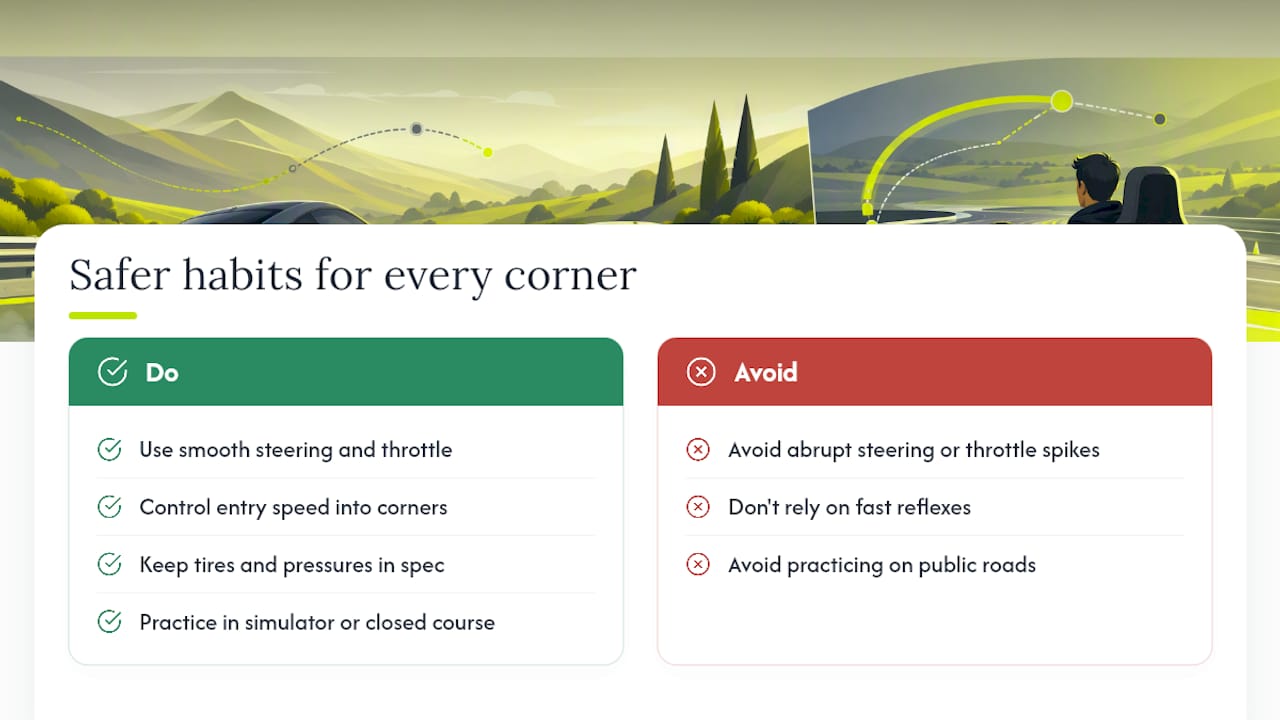
Smooth inputs beat fast reflexes. The drivers who handle a slide well aren't reacting quicker, they're avoiding the abrupt steering and throttle spikes that trigger the slide in the first place. Watch your entry speed into every corner, keep tires and pressures in spec, and treat those two habits as non-negotiable maintenance, not optional extras.
Practice the actual corrections somewhere the consequences are small. A simulator session or a closed course lets you build the countersteer and throttle-ease reflexes that public roads punish you for getting wrong the first time.
— Marcus
Practice Reading a Slide Before It Happens on the Road
There are driving schools and closed-course clinics for this, but most rookies never get near one before they need the skill. A lower-friction way to build the same instincts is to upload a lap from F1 26 and use a platform that provides a telemetry breakdown showing exactly where your entry speed, steering angle, or throttle timing pushed the car into understeer or triggered a slide.
What you can get from a session review:
- Telemetry-based feedback on corner entry speed and steering versus yaw balance
- Missions built around specific weak corners, not generic advice
- Progress tracking to monitor whether recovery instincts are improving
If you want to start recognizing these patterns in your own data instead of just reading about them, run your next session through Virew's lap analysis and see where your car actually loses grip first.
Where to Read More on the Physics and the Fixes
- Continental Tires: understeer vs oversteer guide, definitions and drivetrain tendencies
- BFGoodrich: oversteering vs understeering, correction steps and common mistakes
- Wikipedia: understeer and oversteer, the SAE J670 and ISO 8855 technical standard
- Carwow: understeer vs oversteer glossary, drifting as controlled oversteer
Sources
- Understeer vs oversteer: A guide for drivers — Continental Tires
- Oversteering vs. Understeering - How to Control Your Vehicle | BFGoodrich
- Understeer and oversteer — Wikipedia
- Understeer vs Oversteer: What's the difference? — Carwow